
Latest Comments

Guest - Aislinn Dyestuff Citizen Science.
09. Oktober 2026
This is a great project. I look forward to the results. Thanks for letting us know.
Guest - Aislinn Time for...
09. Oktober 2026
Looks delicious!
Guest - Katrin Sprang Discussion
18. September 2026
Hi Rachel, I have looked for more photos of you, but that was not very successful. I found a link on...
Guest - Beatrix Sprang Discussion
15. September 2026
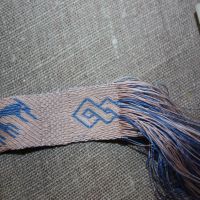
That lozenge pattern element is not a photograph, but a scan. So it should be to scale. But I pinned...
Guest - Katrin Sprang Discussion
15. September 2026
I was not referring to Rachel's reconstruction (is the reconstruction you refer to the one photograp...
AUG.
29
0

Back home again!

I'm back from a truly wonderful summer break - time with dear friends, time in foreign countries, time out in nature, lots of coffee and geekdom and things. And knitting!

So - let me start at the beginning, and tell you a bit about WorldCon - the reason our holidays this year were a city trip to Helsinki.

WorldCon is, apart from the place where the Hugo Awards are being awarded, a really huge convention with lots and lots of programming around science-fiction and fantasy. There's also an art exhibition (where you can also buy artworks if you feel so inclined) and a dealer's hall, where you can buy stuff. Books, obviously, but also jewellery, trinkets, clothes, artwork, toys, and usually various other things more or less connected to SFF. As WorldCon is in different places, there are usually more or less regional vendors there.

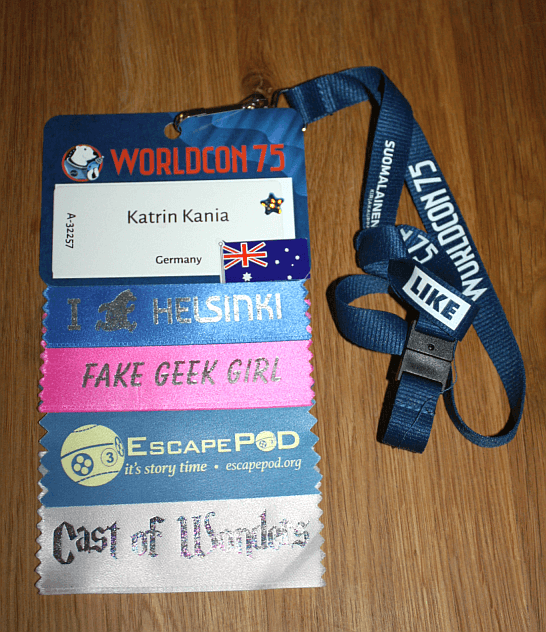
[caption id="attachment_3305" align="alignnone" width="403"]badge_2017 My WorldCon badge - you get the badge with your name on it, which is your passport into the Con - and then you can get ribbons to stick underneath. I actually managed to get more of them at LonCon, in spite of having much less time to walk around!


Since the last WorldCon I had been to was London in 2014 and I had a stall there, this was my first proper WorldCon as in "getting to enjoy all the programming". There was a little issue with that on the first two days, though, as the rooms were too small for many of the panels, and people queued up in huge lines outside of the rooms to be turned away when the room was full. This, understandably, led to quite a bit of frustration - but on Friday morning, the WorldCon team had relocated the panels to bigger rooms, and after that, I had no more problems to get into the panels I wanted to get into, even though the queues sometimes seemed insanely long.

Queueing sort of transformed into something like an art form, though - and certainly into something that felt like a characteristic feature of the event. Signs told you where to start queueing, and in some cases (and for some rooms) there were "end of queue for Room XXX" signs passed on to the last person in line, so that everyone would know which line it was. There was about 15 minutes time between panels, usually long enough to transition from the room you were in to the end of the line for the room you wanted to go to; then you'd stand (or sit) in line for a while before the doors were opened and people could go inside the room. The panels all starting on the full hour meant that there was a lot of people in the corridors at transit times, which was making the con feel very crowded at those times - it had the advantage, though, as someone rightly pointed out to me that there was no half-time overlap between things you'd want to see.

The programme items I went to were mostly really nice and entertaining, or at the least... interesting. I left two or three, overall, because they were so much not my cup of tea - and I soon found that one of the key things to enjoying WorldCon programming is not to have too much, or too precise, of an expectation. You see a title and a blurb in the programme, and it's either a presentation (usually by a single person) or a panel (which is more or less a podium discussion with a moderator) or a concert or show, or some activity thing where you can participate. You never know exactly what you will get, though, especially when it's a panel and the topic is wide, or vaguely defined. The panelists might end up talking about a side aspect for half an hour (and thus almost all the panel time), so if you have been wanting to hear about another side aspect, you're out of luck. Going in there with an open mind, though, happy to hear about any aspect of the topic and curious where the panelists will go with it? That made it really enjoyable in almost all instances.

Panel moderators, by the way, can really make a panel outstanding and awesome - or help it tank and deviate off-track. We figured this out pretty soon as well, and that helped me decide in a few cases which of the parallel programme items to pick (hint: those with the moderator that was an interesting person, or that I had seen in a previous panel, and both proved to be very good ideas).

One of the big programme items of WorldCon, of course, was the Hugo Award Ceremony - which we went to. I remembered the one from London as being rather long, but still entertaining and interesting - but in Helsinki, the Hugo itself was extended (a new category "Best Series"), and in addition, there were several add-on awards: a Finnish one and a Japanese one. This, together with the many different presenters that were introduced and in some cases had a bit of an interview as well, meant that the ceremony took a very, very, VERY long time, way too long for my taste. There also wasn't any show insert or similar thing to break things up a little once the ceremony really go going, apart from the thank-you speeches of some of the winners (thank you, Ursula Vernon, for your whale story!), and I am quite convinced that while a funny thank-you speech is a good thing and will always be appreciated, it is not the task of the Hugo winners to provide entertainment in an otherwise very long and relatively dull awarding ceremony. So next time, I'll spend the Hugo Ceremony time somewhere else and will check the livestream.

Altogether, though, the WorldCon was really, really enjoyable for me. It was half-similar and half-different from my experience in London, but I'll definitely consider going to another one in the future. Maybe Dublin in 2019? Maybe even with a market stall for the Dealer's Hall? Who knows...
0
AUG.
07
1

Time for the Summer Break.

It's already the start of August, and thus it is high time for a summer break! Our time off will include some time spent abroad with friends, and I'm so looking forward to that - usually we have the summer break a bit earlier in the year, and it really was noticeable somehow.

So, just like every year, this blog will go on summer break too, to relax, recuperate, and forget that things like work even exist.

It will magically update again on August 29 - when I will hopefully have caught up with accumulated email, wrestled down all the things that popped up during the break, and there will be new things to be looked at, and new exciting stuff to be undertaken.

So - have a good summer, everyone, and I hope you'll be back at the end of August, just like me!

 
0
AUG.
04
0

Knitting patterns for men. Delightfully dated.

The Library Digitisation Unit of the University of Southampton has a Knitting Reference Library with Victorian knitting manuals and other old and really interesting knitting reference books and instructionals.

They also have, under the section slightly misleadingly titled "Knitting Patterns", a lot of title pages of 1950-ish and onward printed knitting patterns, all of them for men's upper body garments. Unfortunately, it really is only the title pages, so there are no actual patterns to be gotten. However, it is wildly interesting to just take a look at all of the title page pictures with the garments modeled: Some of the sweaters and cardigans look really timeless, and you wouldn't be surprised at all to see them worn today, or a pattern for them sold, or a garment like that on a hanger in a clothes store.

Some others, though? To my modern eyes, they look really, really weird. Some of them remind me of Captain Kirk, some of them loudly scream "Nineteeneighties!!", and some of them made me think "That looks like a dressing gown or pyjama part, that was worn on the street? Wow!"

Mind you, though, when I browse through modern knitting pattern magazines, I sometimes also wonder who would actually wear this. Those things are looking weird in a different, more up-do-date way, though.

So - if you enjoy looking at slightly weird older knitted garments - have a rootle in the Knitting Reference Library's 164 "knitting patterns". You might be as delighted as I was.
0
AUG.
03
0

Mixed Links.

The online EXARC journal has a short article about bronze spiral decoration in textiles.

Kitty Lux of the Ukulele Orchestra died about two weeks ago, here's her obituary. I'm really sad - and feel very privileged to have seen and heard her live a few times.

The major Roman roads, drawn in a subway map style.
There's a new podcast around: Ask an Archaeologist. (I have not found the time to give it a listen yet, but it's definitely on my list.)

Heritage Daily reports on a Roman bronze figurine that might leave Britain.

Gillian Polack has a post on how to peel oranges... with a fork. Which is intriguing and makes me a little sad that we are currently far from Orange Season here - but it will come, and I will definitely try that.

And that's it for today - I hope there's something of interest for you!
0
AUG.
02
0

Fabrics. Multiple.

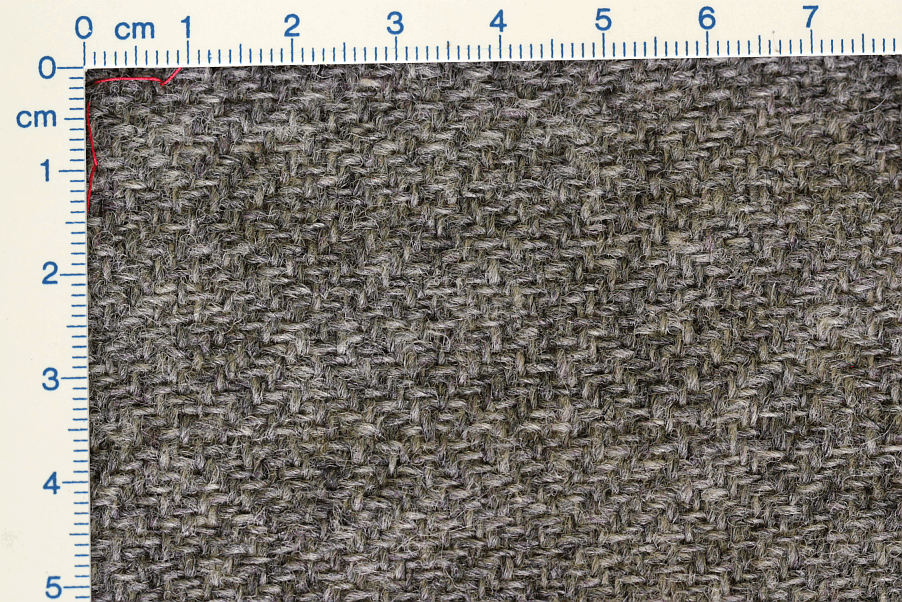
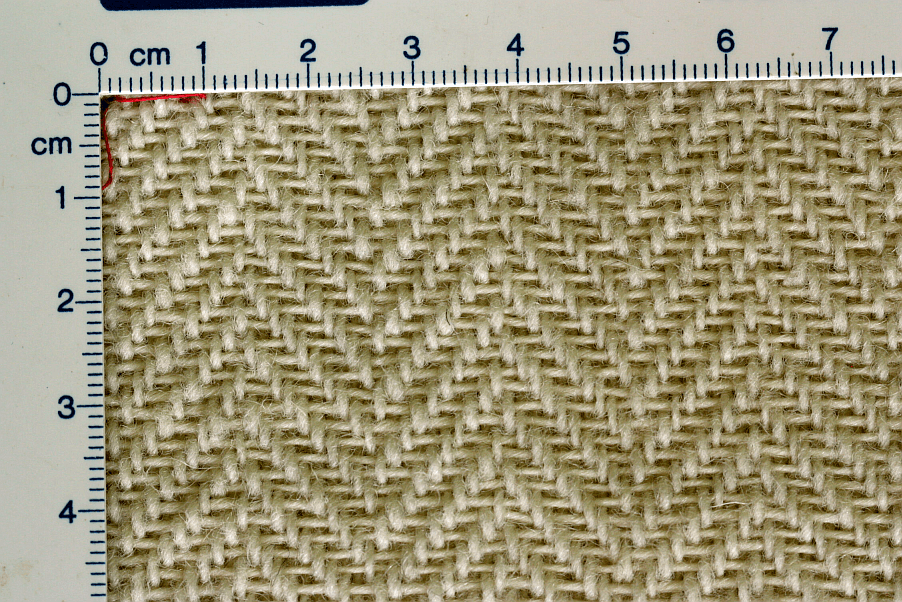
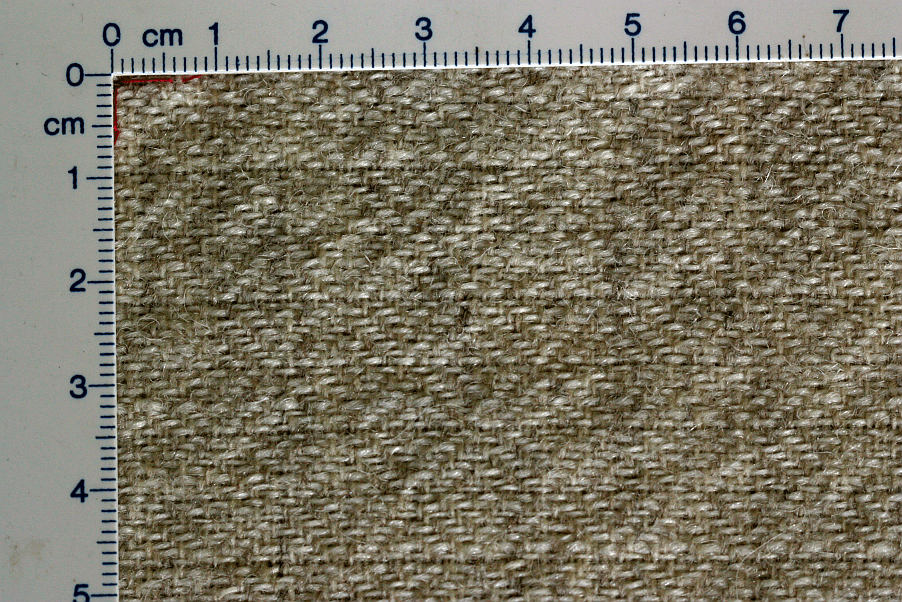
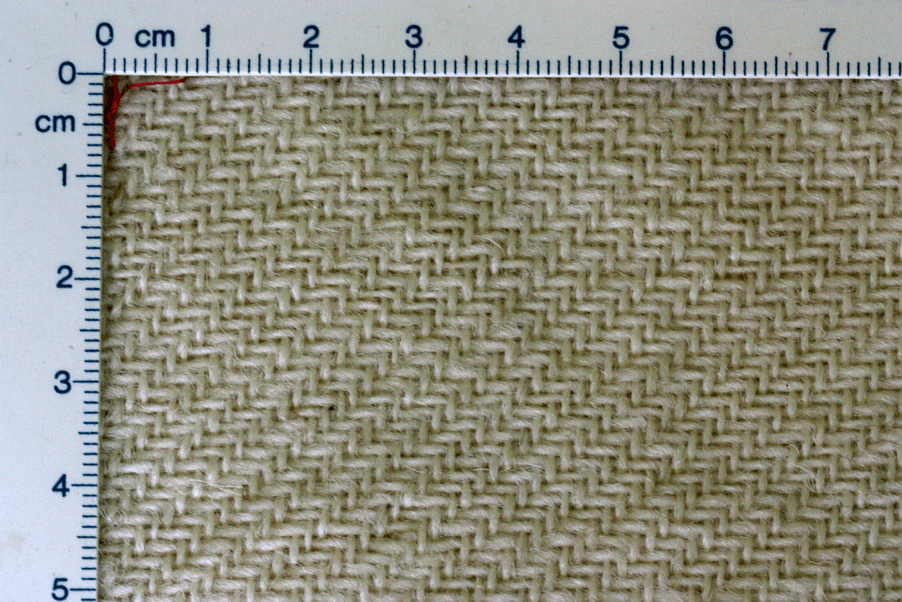
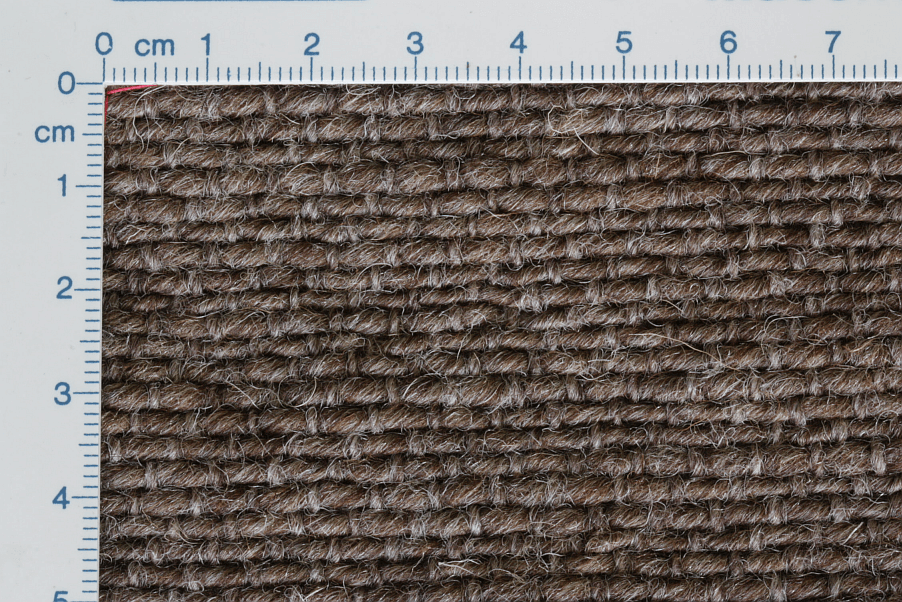
There's some more progress on the Bernuthsfeld project, though it is all but spectacular - pre-wash documentation of the fabrics, and subsequently washing, drying, and documenting them again. That documentation would mostly not be strictly necessary, but I couldn't resist the temptation to gather some additional data. Like how much shrinkage we are getting with the fabrics, and if there are clearly observable changes in how the yarns look before and after washing.

So what I did was take closeups of an  area marked with a bit of red polyester sewing thread - you can see that in the upper left corner of my measurement frame. And these are just a few of the many, many fabrics:

bernie_f bernie_d bernie_c bernie_a bernie_b
All of these will eventually be cut up and pieced together to form the Bernuthsfeld tunic reconstruction... before that, though, they will get washed and dried and have another photo op. And I'm really, really curious to see how it will come out!
0
AUG.
01
0

Garden Pics.

It has been a while since you got garden pics - high time to change that!

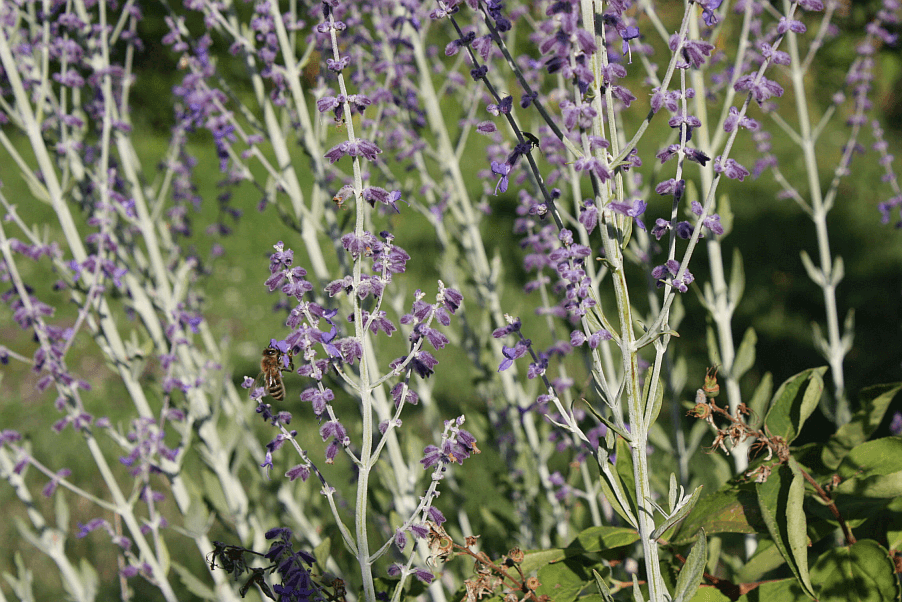
littlespire
Bees are visiting this not-real-sage plant, enjoying the nice purple flowers. Speaking of nice flowers (though not purple):

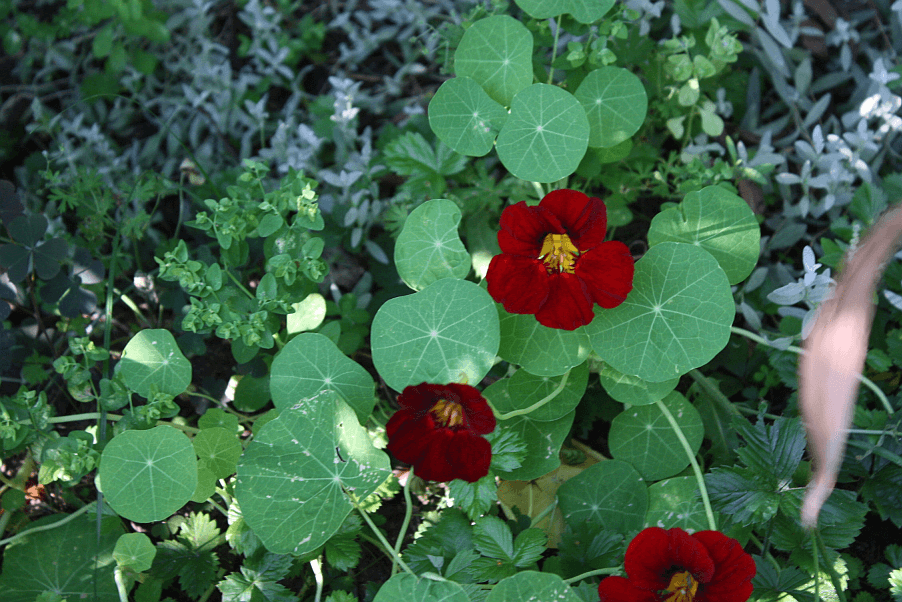
kapuziner
Nasturtiums in full bloom. And I haven't eaten any of them yet!

chili
Finally, the good old chili plant is enjoying the sunshine, too - which actually makes a big difference in the depth of colour of the purple chili fruits. The purple colour acts as a sun protection for the fruit, so it is rather logical that it would get deeper with unfiltered sun than in the wintergarden, where a lot of the UV is filtered out by the glass.

(If you are like me and are thinking about purple chili sauce now - unfortunately the anthocyanins that make the colour are not stable enough to survive the process to make tabasco. To my great regret, it turned into a brownish-green colour very quickly...)
0
JULI
31
4

...and even more.

If you watched the bouldering videos, you might have noticed that there are white spots on parts of the wall, and there is white stuff on some of the holds, and there's also white stuff on our hands. That is chalk - or, to be more precise, magnesium carbonate.

The reason for this? It keeps your hands dry, which is a very smart thing to do, as sweaty hands tend to slide off holds, and wet skin is also softer than dry skin, which can lead to more abrasion (those holds sometimes feel like someone has coated them with 80-grain sand paper). So most climbers and boulderers invest in a chalkbag quite quickly, to have their necessary dose of the white powder readily available.

Up until a few days ago, we had a shared chalkbag... which basically works nicely, there's enough of the stuff in there for several climbing sessions, even when chalking up quite a lot. However, over time, it has happened again and again that we ended up having  different projects at different ends of our gym - and there was only one chalkbag, which, for the party further away from the bag, either meant quickly de-whitening fingers or treks back to chalk up.

How practical, then, that we recently went to donate blood... where you get a) half a litre of your blood taken away, b) coffee that can wake up the dead (and is the only coffee that I actually take sugar in), c) a meal, and d) a little present. Depending on which companies and shops have donated stuff for d), the selection is very varied - we got nice water glasses there, and foldable baskets, and other quite useful stuff, but sometimes there's mostly or all things that we do not need.

Last time was one of these times... until I noticed, tucked in the back of a shelf somewhere, a medium-sized plushy rat.

Aaaaaah.

There must have been a very telling glint in my eye, as the most patient husband of them all got at once what I was thinking of. Chalkbag.

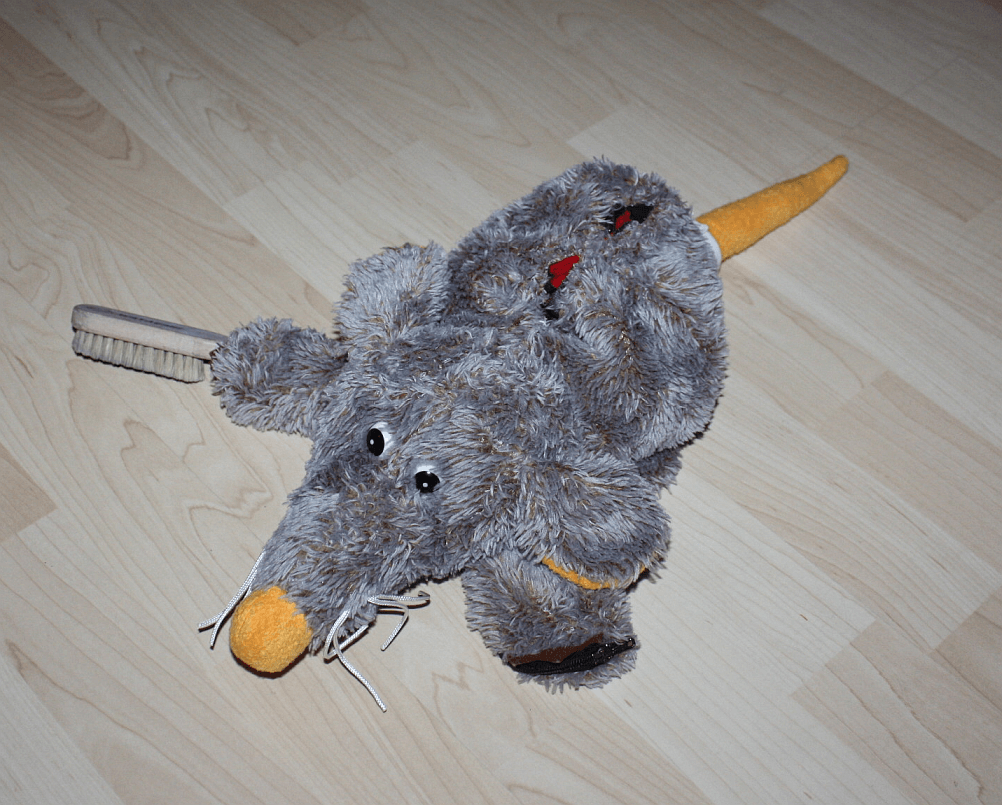
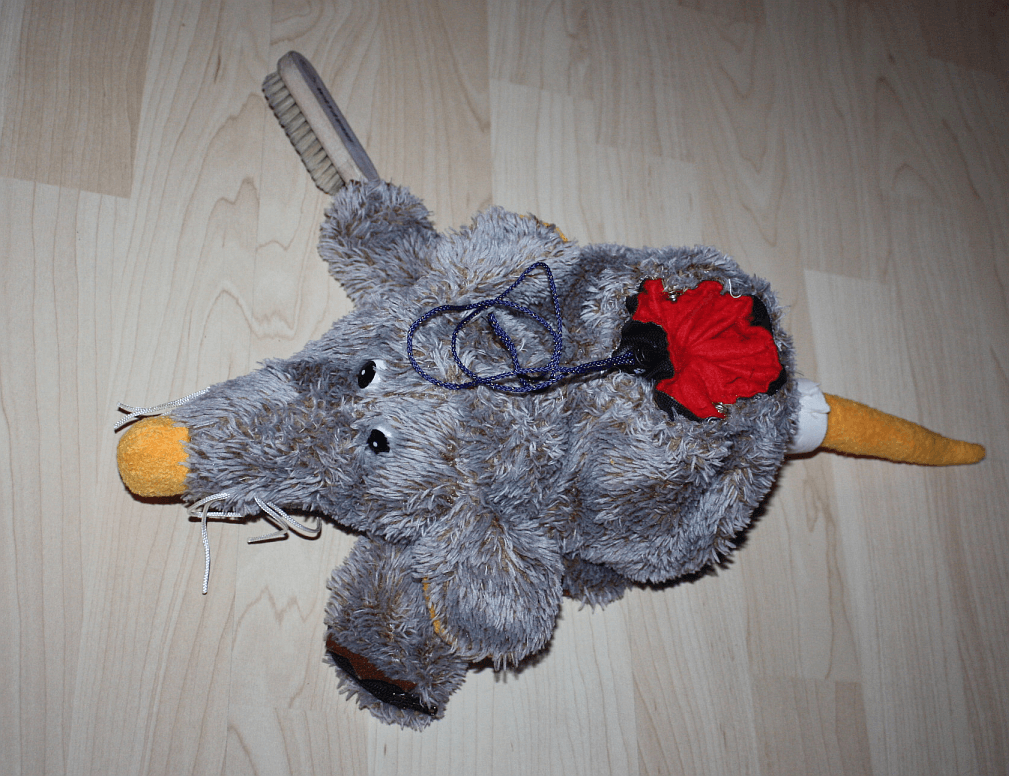
So that little cuddly rat went home with us, and then lost a good bit of its soft, squishy polywool filling... in the body, and in its left paw. There's a rubber band on its right paw now, holding a brush ready (this is used for cleaning holds, which gather both chalk and rubbed-off rubber from the climbing shoes). The left paw acquired a zipper and is now a little bag that can hold a key, some magnesium in case of cramps, and a bit of emergency coffee or chocolate money. There is also, not visible in the picture, a clothespeg just behind the rat's teeth at the underside of the snout, in case a pen or a piece of paper needs to be taken into safe custody.

chalkrat_done
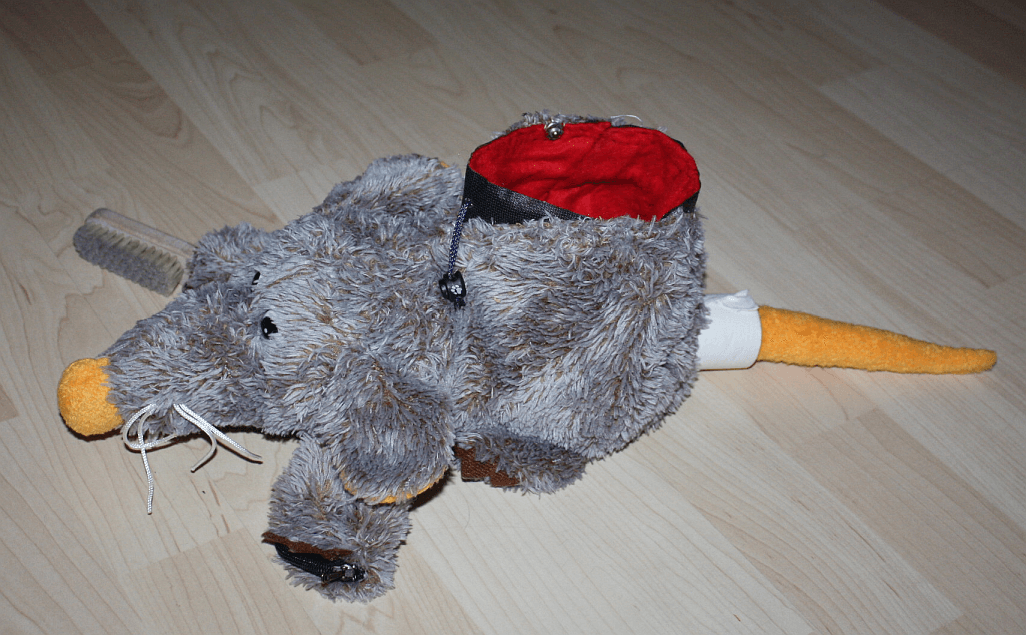
Most important, though: the miraculous transformation of the main body, which is not very obvious in that picture. It does become more so when the press-button is opened:

chalkrat_halfclosed
revealing the drawstring keeping the chalk in, and the chalkbag itself. And once opened up, it looks like this:

chalkrat_open
A cheeky chalk rat. Which is one-of-a-kind and thus will also be easy to find again on the bouldering mat!
0

By accepting you will be accessing a service provided by a third-party external to https://www.pallia.net/

Kontakt